On 13 March 2026, the fourth meeting organised as part of the Destination Poland Green Academy project took place at PURO Hotel Poznań Stare Miasto. The event brought together representatives of the local business tourism industry to jointly explore how to implement ESG principles and build a competitive, responsible business events offering.
The workshop in Poznań was another meeting delivered as part of the Destination Poland Green Academy project, which aims to strengthen the competencies of the meetings industry in the field of sustainable development. The event was attended by 20 representatives of the Poznań market, including hotels, event venues, service providers, tourism institutions, and organisations supporting the development of business tourism.
The meeting format combined a business breakfast, expert presentations, a workshop session, a moderated discussion, and networking opportunities. This enabled participants not only to become familiar with current trends but also to translate knowledge into practical measures that can be implemented in their day-to-day work. The workshop was led by Aneta Książek, Head of Poland Convention Bureau – Polish Tourism Organisation, together with representatives of SITE Poland: Beata Koziarska, Managing Director of Emoveo Group, and Grażyna Grot-Duziak, owner of MICE Expert.
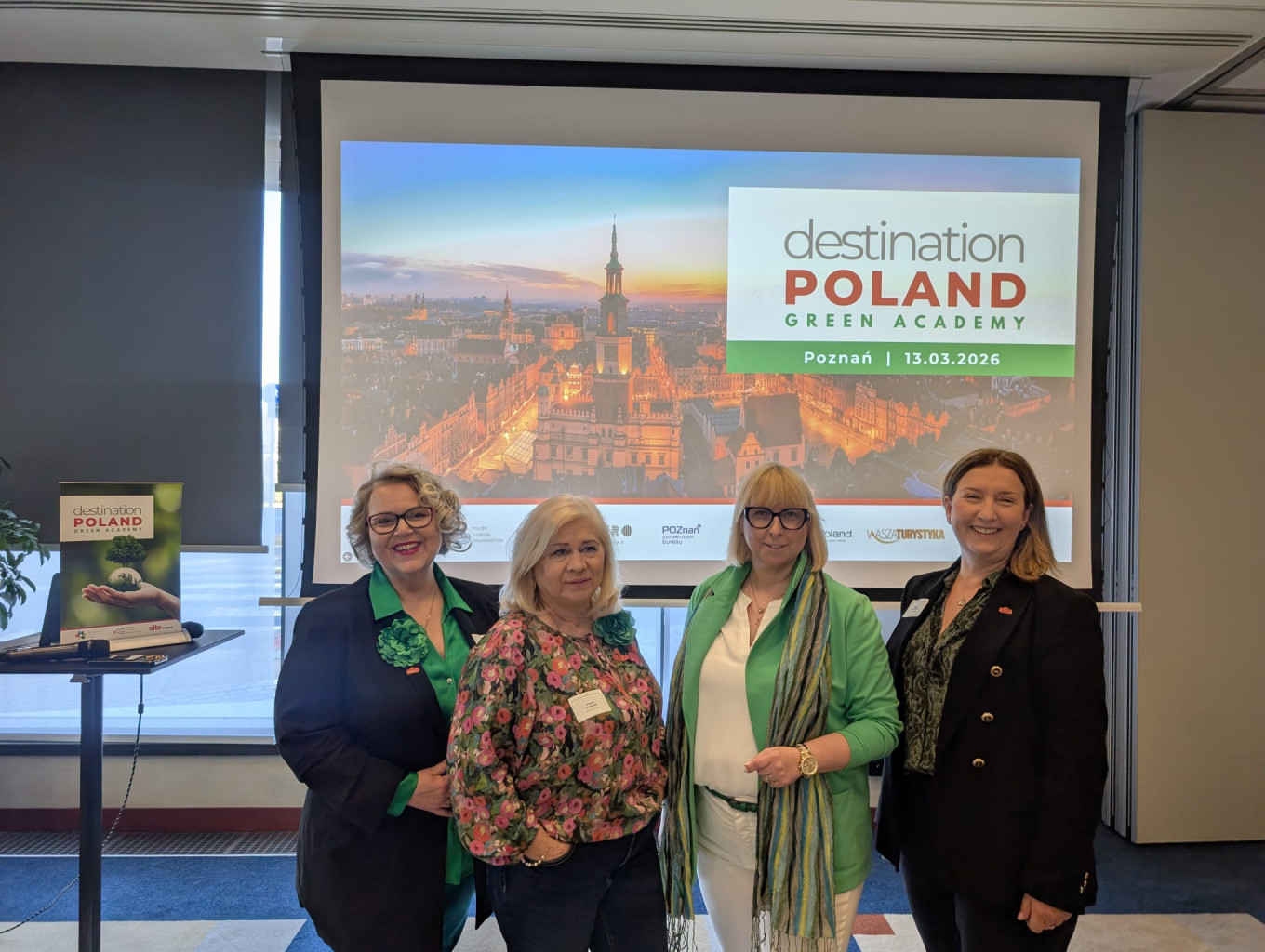
Sustainable events are a necessity
The workshop programme was designed to demonstrate both the strategic and practical dimensions of sustainable events. Participants began with an introduction to the key issues related to sustainable development in the MICE industry – from definitions and the main pillars of responsible event planning, through references to the 17 United Nations Sustainable Development Goals, to global trends and the growing expectations of clients.
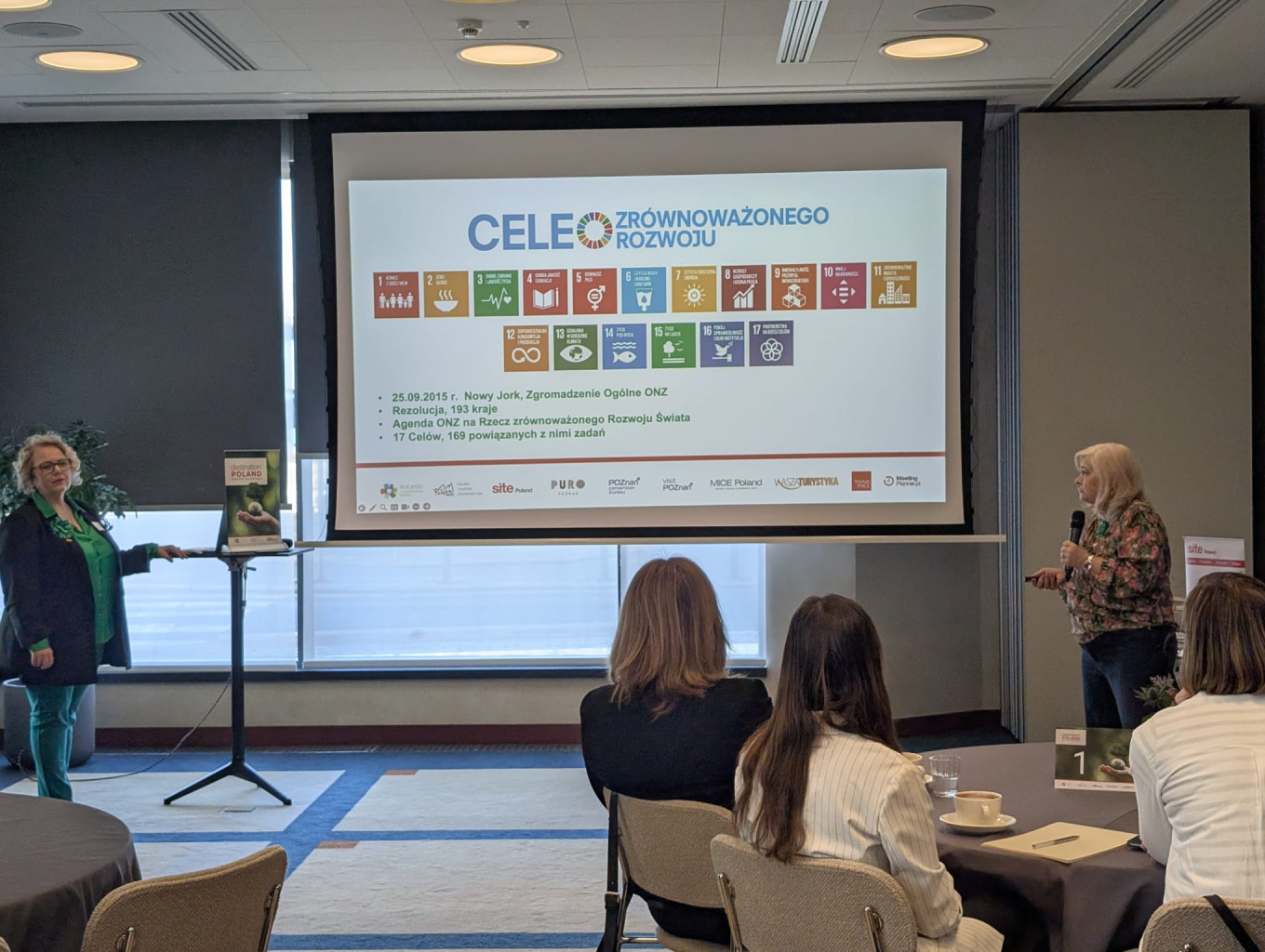
Equally important was the discussion on the role of ESG in tenders and event requests for proposals. Increasingly, organisers – especially international ones – expect destinations and suppliers to provide concrete solutions in terms of reducing environmental impact, social responsibility, and transparent governance. In this context, sustainable events are no longer an added value, but are becoming the market standard.
Local examples of good practice from Poznan
An important part of the event in Poznań was the presentation of local examples of good practice by PhD Natalia Latuszek from the Poznań University of Economics and Business and by Beata Koziarska, who shared the experience of a SITE Poland member and an example of activities implemented by Polka Travel.
Magdalena Hołowińska, Head of the Conference and Trade Fair Sales and Acquisition Team at Grupa MTP, presented a report on the carbon footprint of the international ICCA Central European Chapter Meeting, held from 31 August to 2 September 2025 at Poznań Congress Center.
ICCA CEC Meeting 2025 – Poznań becomes the heart of the Central European meetings industry
The analysis, prepared in cooperation with TerGo, covered all key areas of the event’s environmental impact, including energy consumption at the venue, delegate travel, accommodation, catering, deliveries, and waste. The total carbon footprint of the event amounted to 19.9 tonnes of CO2e, or 258 kg CO2e per participant. The largest share of emissions came from delegate travel, which accounted for more than half of the total result, followed by energy consumption (22.6%) and accommodation (12%). The lowest emission levels were recorded in the area of public transport – supported by free public transport passes – as well as deliveries and materials, which accounted for 0.2% and 1.5% of emissions respectively. The case study presented a practical example of how measuring the impact of events can support more conscious event design in line with the principles of sustainable development and ESG.
As Magdalena Hołowińska emphasised: “The carbon footprint analysis of the ICCA Central European Chapter Meeting showed that delegate travel was the largest source of emissions, followed by energy consumption and accommodation. This is a valuable indication for the industry, because with this kind of data it is possible to plan measures to reduce the environmental impact of events more precisely and to make decisions based on real indicators rather than declarations alone. I believe that such tools and data will play an increasingly important role in the development of sustainable events and in building a competitive destination offering.”
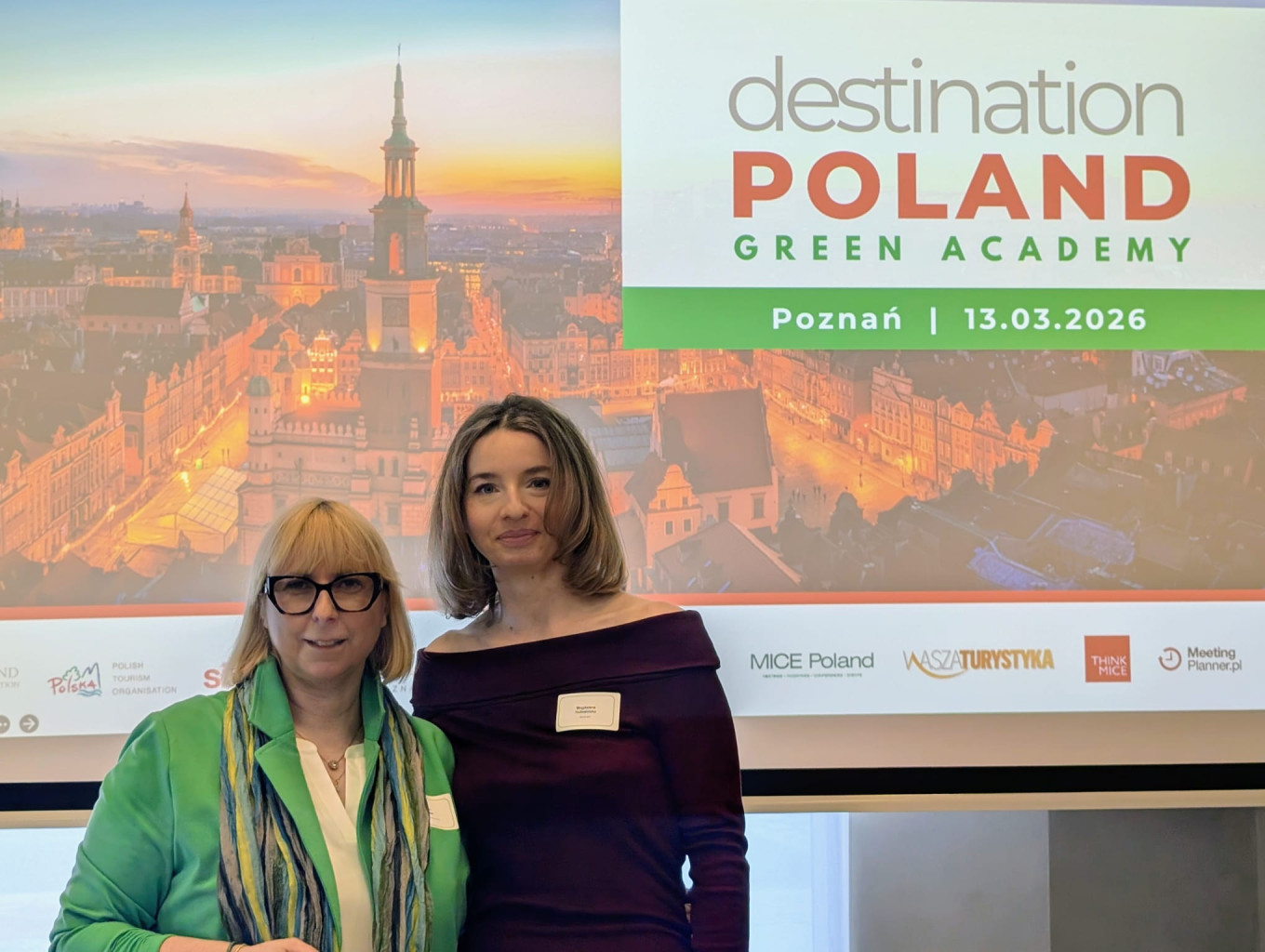
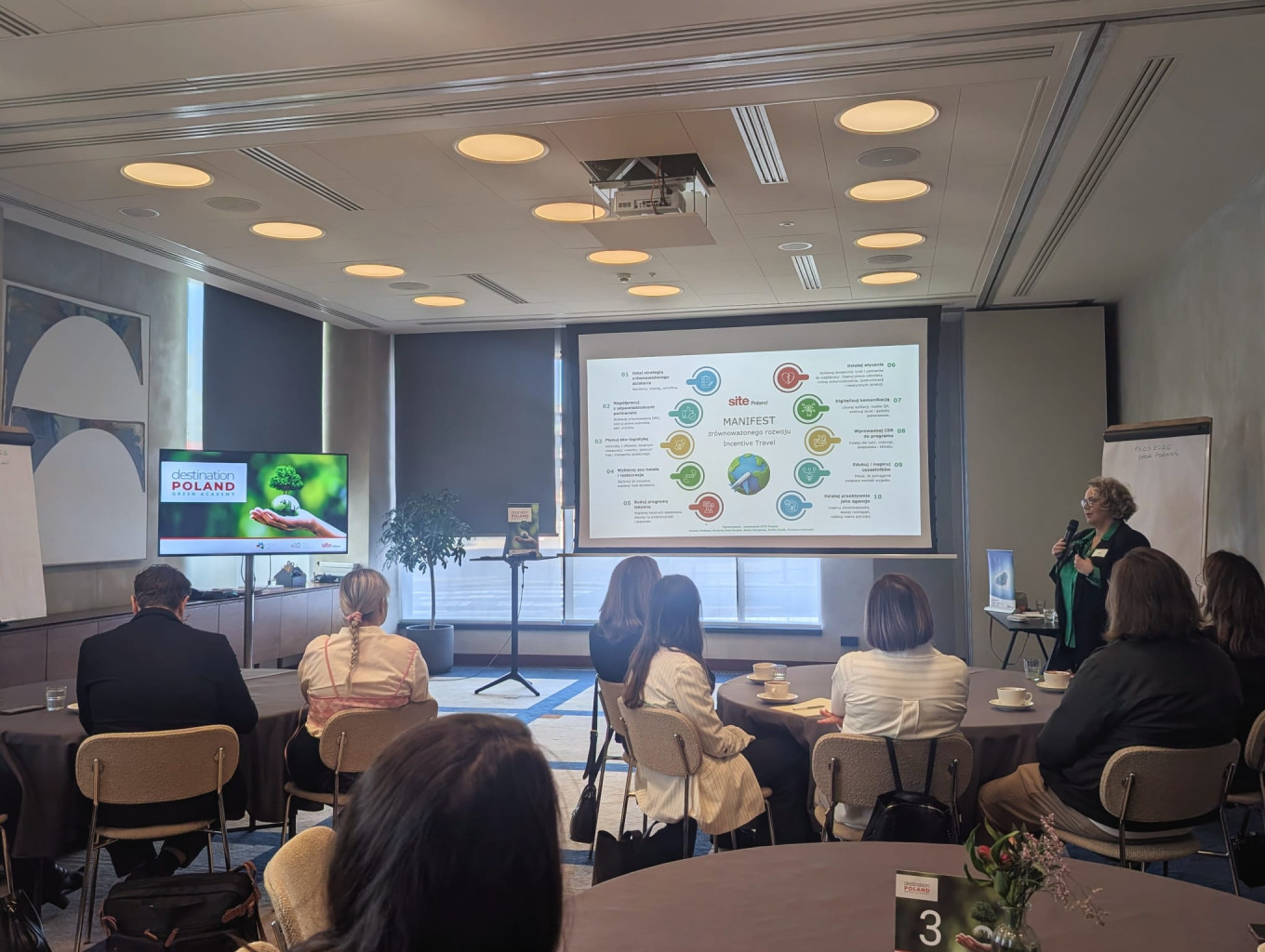
The SITE Poland Manifesto
The presentation of the SITE Poland Sustainable Tourism Manifesto introduced a set of 10 practical principles supporting the creation of responsible events. Developed by industry practitioners, the document demonstrates how to combine ESG strategy, supplier cooperation, communication, CSR activities and real operational decisions into one coherent working model.
Participants also learned the results of a survey conducted during registration for the event. Its aim was to assess the level of awareness and the degree of implementation of sustainable development principles within the regional MICE industry. Respondents identified the most important benefits of implementing ESG as increased attractiveness and competitiveness of their offering, building a positive brand image, delivering a real impact on the environment and local community, as well as operational savings and process improvements.
At the same time, the results confirmed that the level of advancement of these activities varies. Some companies are only at the stage of taking their first steps, many are implementing individual solutions, and only a few have a formally developed ESG strategy.
Among the most frequently applied practices were:
- reducing plastic use
- waste segregation
- cooperation with local suppliers,
- the use of eco-friendly material
- energy savings
- process digitalisation
Workshop scenarios and practical tools for the industry
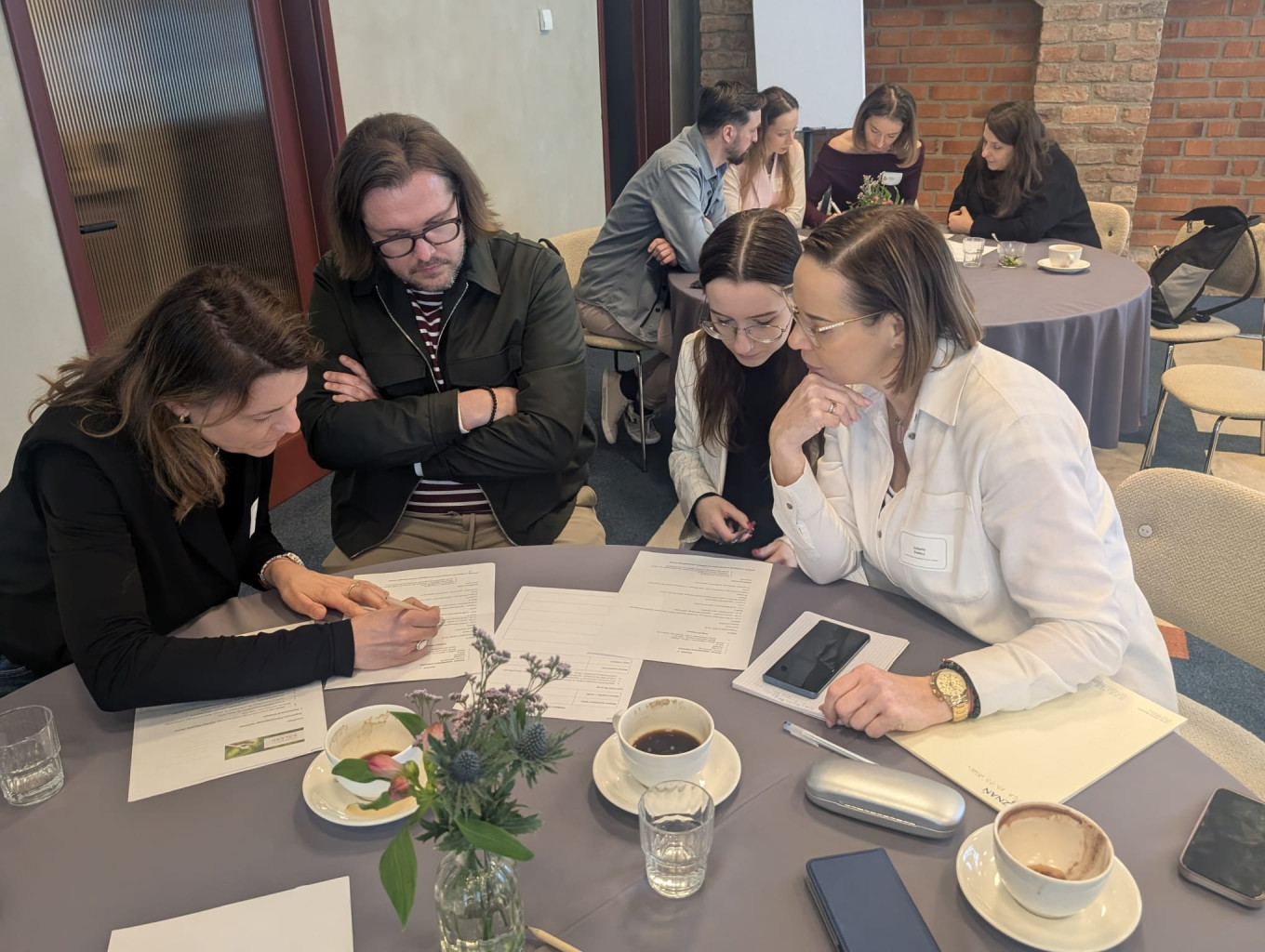
One of the most engaging elements of the meeting was the workshop session, during which participants worked in groups of five with varied areas of specialisation within business tourism. The task of each team was to design an event offering – whether a conference, business meeting, corporate training, company integration event or incentive programme for international guests – taking into account the principles of sustainable development.
The work was based on a specially prepared checklist covering 10 key areas of event planning. Teams identified local resources such as accommodation, gastronomy and attractions, pointed to the elements that build Poznań’s competitive advantage, and highlighted ESG differentiators. The presentation of the results showed that theory can be effectively translated into concrete event scenarios and real sales activities.
Poznań has potential that deserves stronger communication
The moderated industry discussion confirmed that local stakeholders view Poznań as a destination ready to compete with other centres in the meetings market. Participants stressed that the city has the right resources to host large-scale events, experience in cross-sector cooperation and a favourable transport location.
Among the key conclusions was also the conviction that Poznań has significant and still not fully utilised “green” assets that can strengthen the city’s offering and its positioning in the area of sustainable events. Attention was also drawn to the role of non-governmental organisations, which can support the creation of valuable CSR programmes and serve as an important element of the offer for event organisers.
Destination Poland Green Academy as a catalyst for further action
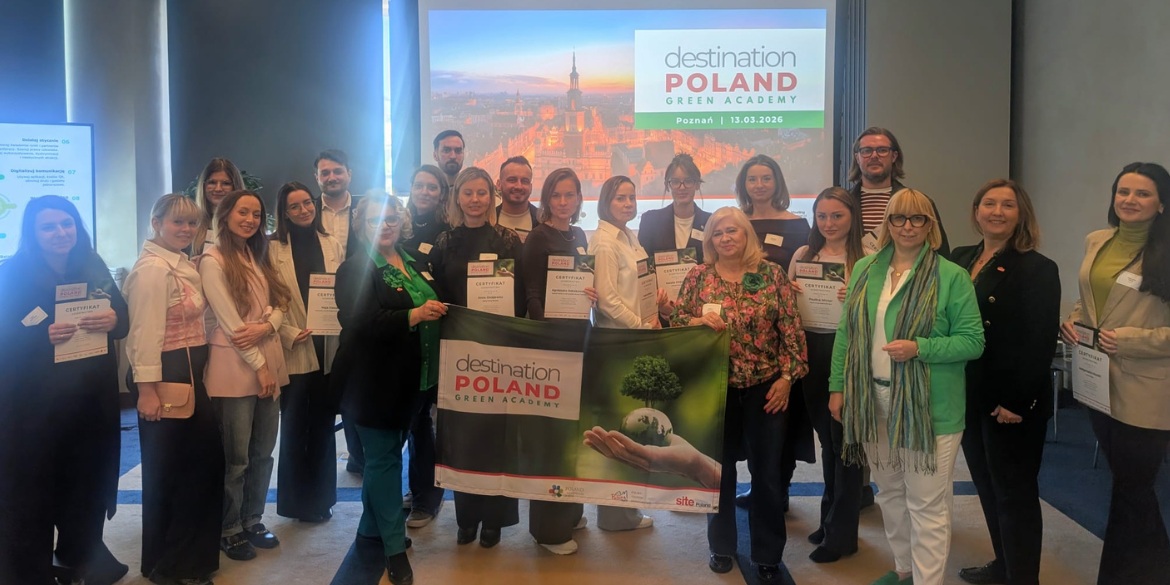
The meeting concluded with the presentation of participation certificates, a group photo, and networking. The workshop in Poznań demonstrated that the city’s MICE industry is open to developing competencies, exchanging experience, and jointly building a responsible offering that responds to the needs of today’s market. The key conclusion from the event is unequivocal: sustainable events represent a lasting change in the operating model of the meetings industry.
More information:
- Report from the Destination Poland Green Academy workshop in Lublin
- Destination Poland Green Academy in Bydgoszcz
- Green Key hotels in Poland
- Report from the Destination Poland Green Academy workshop in Kielce