Gdansk Tourism Organization and Gdańsk Convention Bureau are consistently developing an accessibility model that covers not only infrastructure, but the entire visitor journey through the city’s offer – from searching for information and travelling to the destination, through the experience at a venue, to participation in an event. Audits conducted by people with diverse accessibility needs, Communication Cards, industry skills development and new organisational solutions are making accessibility a permanent element of destination management.
Gdańsk takes a broad approach to accessible tourism. It applies not only to people with disabilities, but also to senior citizens, families with young children, people with allergies and visitors with other specific needs. Gdańsk Convention Bureau also emphasises that accessibility should be considered from the very beginning when designing services and experiences, rather than being treated as an additional facility or optional feature.
207 audits – from information about a venue to the journey home
One of the key elements of Gdańsk’s programme is its accessibility audits, conducted by people with different types of disabilities. The audits assess the entire visitor journey, including:
- the ability to find the necessary information before a visit,
- travel to the destination or venue,
- accessibility of the venue and its services,
- on-site customer service,
- the return journey and an overall assessment of the experience.
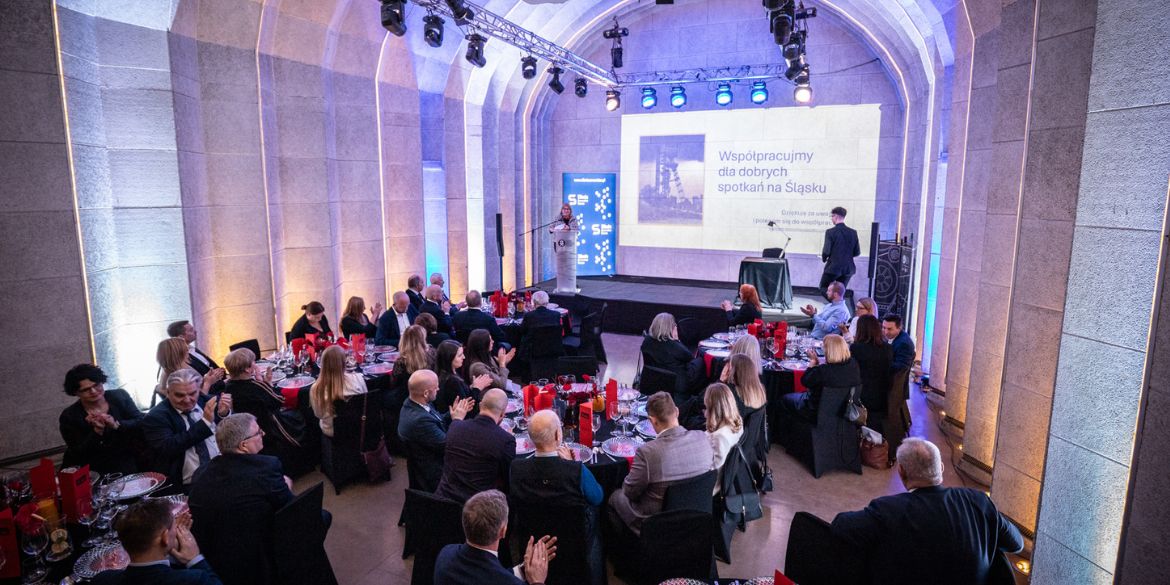
According to the latest data presented by Gdańsk Convention Bureau, 207 audits have already been completed over the past four years. They cover tourist attractions, museums and galleries, venues and events, as well as outdoor and alternative spaces. Locations and experiences assessed have included Gdańsk’s beaches, the 100cznia creative space, St Dominic’s Fair and venues used for events. In the case of events, both the venue itself and the way in which the event is organised can be assessed.
The purpose of the programme is not to create a ranking of places, but to provide practical information. Following each audit, materials are prepared to help future visitors better plan their experience, while venues receive insights that can help them identify and remove barriers. Accessibility information is also published alongside venue profiles featured on Gdańsk and Gdańsk Convention Bureau websites.
Communication Cards for hotels, restaurants and events
Another important tool is the Communication Card, developed through workshops involving people with hearing disabilities. The cards use clear pictograms and allow users to respond by selecting, writing or drawing information. The solution can support not only deaf and hard-of-hearing people, but also those who experience communication difficulties, as well as international visitors facing a language barrier.
Eighteen versions of the Communication Card have now been developed for different situations and types of services. These include versions designed for tourist attractions, tourist information centres, hotels, table-service restaurants, swimming pools, running events and other events, including conferences and food festivals.
It was the practical and replicable nature of the accessibility audits and Communication Cards that received international recognition in 2026. Gdansk Tourism Organization received the GDS Innovation Award 2026 for its “Nothing about us without us” initiative, which uses accessibility audits and Communication Cards as tools for inclusive change within the destination. The award was presented during the GDS-Forum & Impact Day in Szczecin.
Making accessibility a permanent part of destination management
The next stage is to embed accessibility within the organisational structure of Gdansk Tourism Organization itself. A dedicated Accessibility Manager position has been created and is held by Adrianna Siuda. The aim is to move away from treating accessibility as a standalone project and instead integrate it permanently into the way the city’s visitor offer is managed.
Activities include auditing tourism products, infrastructure and websites, providing training for staff and partners, working with expert organisations and supporting customers with individual accessibility requirements. This approach combines user experience, industry skills development and destination management.
What does accessibility mean for event organisers?
For the MICE industry, the significance of these initiatives goes far beyond selecting a venue with appropriate infrastructure. Accessibility may also apply to an event website and registration process, delegate information, transport, signage, customer service, on-site communication, catering and the accompanying programme.
Gdańsk Convention Bureau is therefore developing an approach that encourages organisers to view an event from the perspective of the participant’s complete journey. This is particularly important for international conferences and congresses, where delegates have diverse needs and where the quality of information and the destination’s overall level of preparation directly influence the participant experience.
These activities also form part of Gdańsk Convention Bureau’s broader role as a local partner for event organisers – connecting them with venues and suppliers and supporting the planning and delivery of conferences, congresses and other business events.
Accessibility Ambassadors – the destination and traveller perspective
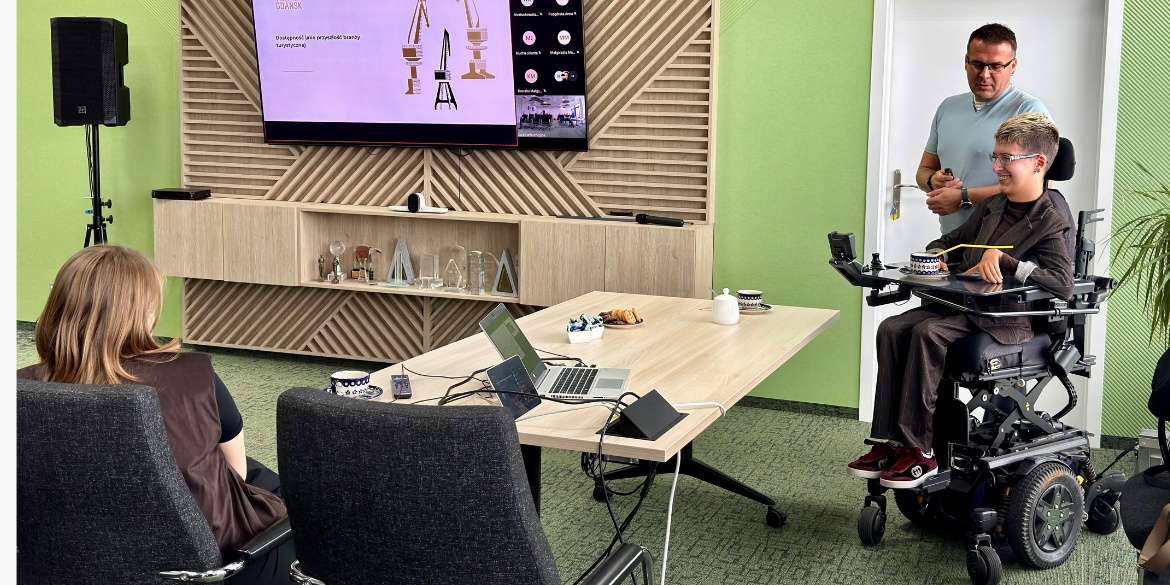
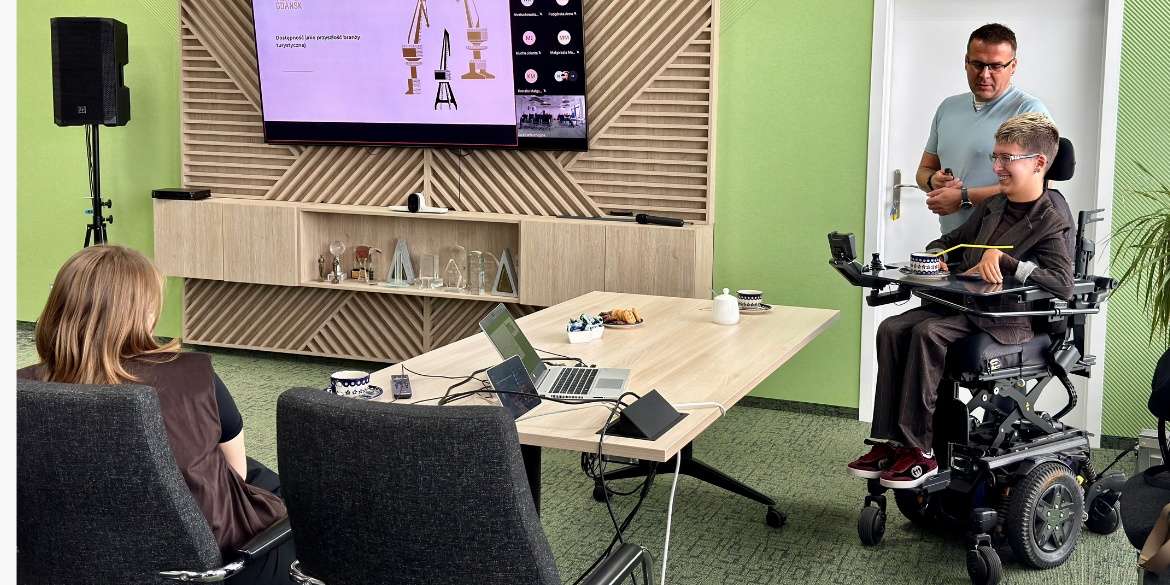
An important part of Gdańsk’s work is also sharing its experience with other destinations and industry representatives. Łukasz Wysocki, President of Gdansk Tourism Organization, and his son Filip Wysocki present accessibility from two complementary perspectives – destination management and the everyday experience of a person with a disability and their family.
Their presentations encourage audiences to look at accessibility not only through the lens of standards and procedures, but above all through the real journey and experience of a visitor.
Meeting with the Accessibility Ambassadors at the Polish Tourism Organisation
On 17 September at 10:00, a meeting with the Accessibility Ambassadors will take place at the headquarters of the Polish Tourism Organisation in Warsaw.
Łukasz and Filip Wysocki discussed accessible tourism from the perspectives of the traveller, the family and the tourism industry. Filip shared his experience of pursuing his travel ambitions and the challenges encountered along the way. Łukasz demonstrated how well-designed accessibility solutions can support the development of tourism businesses and improve the quality of a destination’s overall offer.
Prepared in-house based on materials from Gdańsk Convention Bureau.