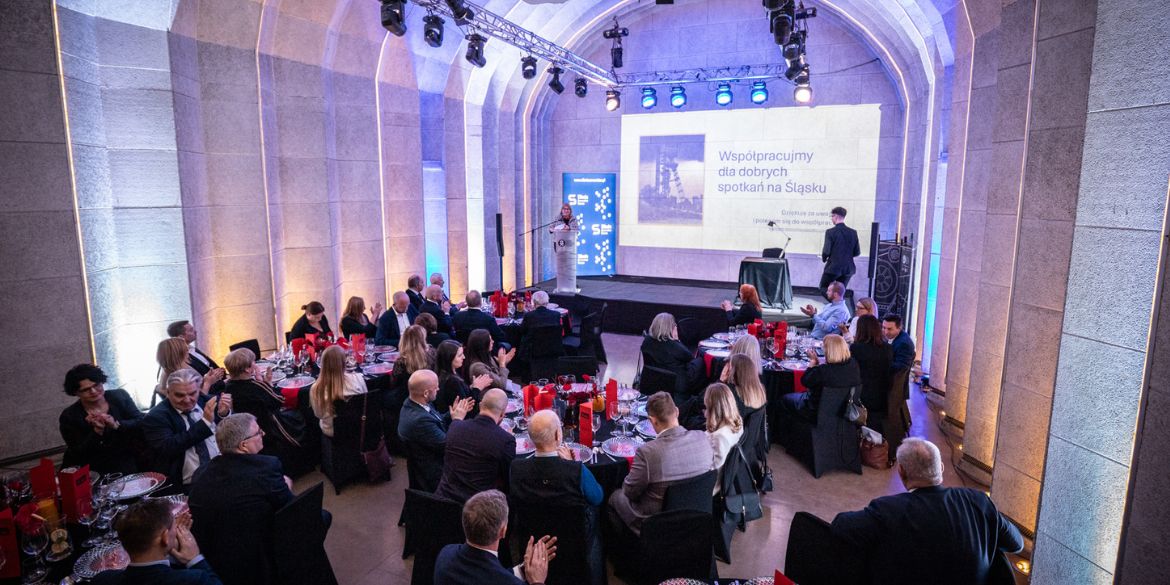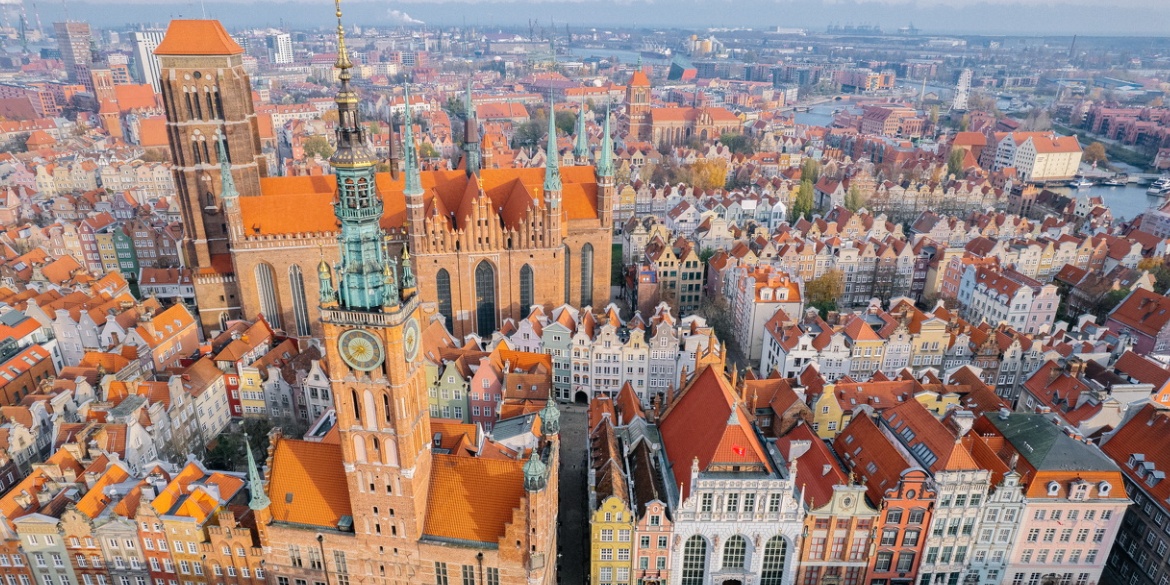
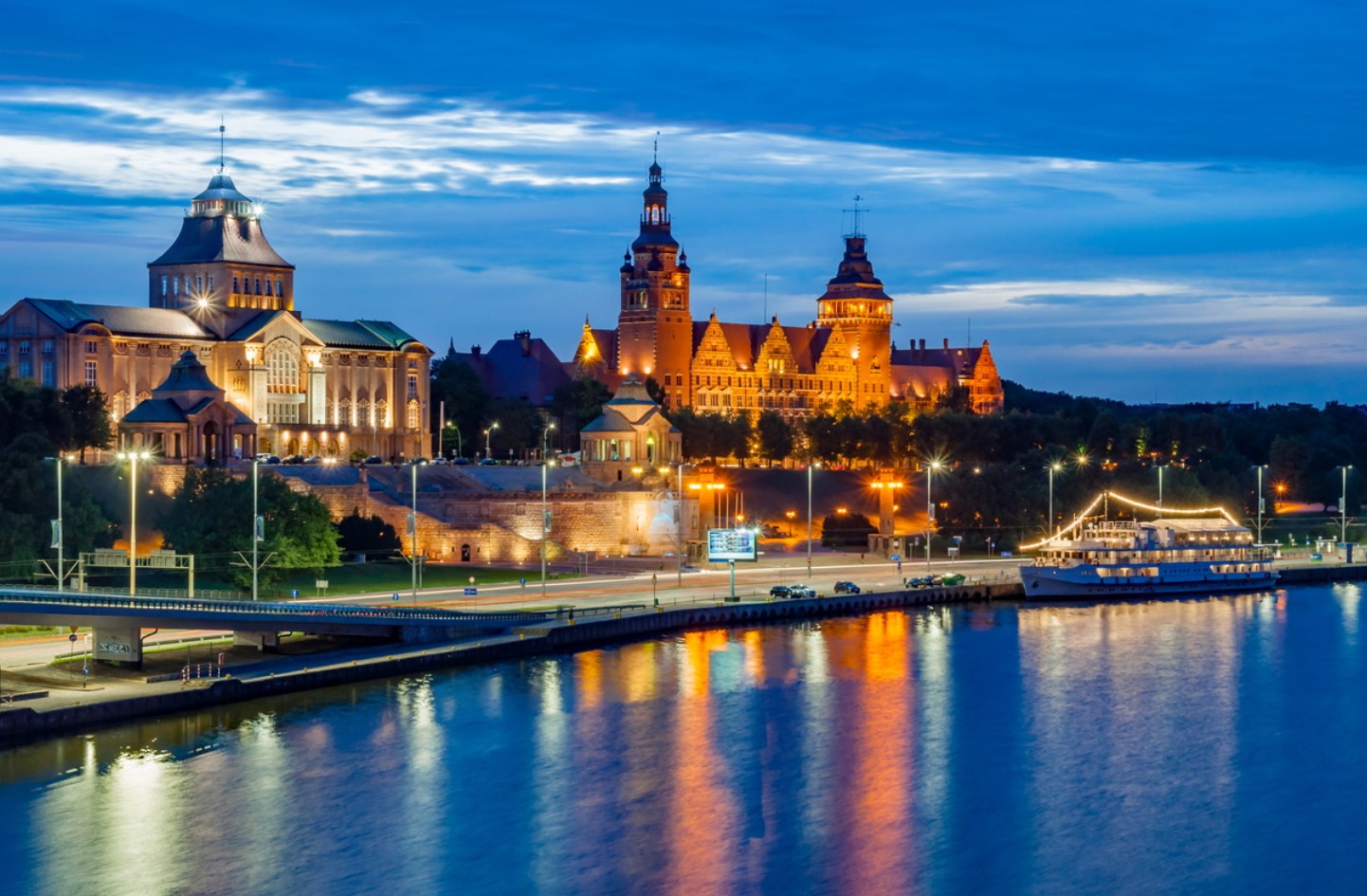
From post-industrial Łasztownia and the Oder River spaces to historic villas, cultural institutions and green urban locations, Szczecin offered participants of GDS-Forum & Impact Day 2026 a diverse map of venues. Each location added a different layer to the event narrative, showing how the city can host meetings rooted in authenticity, heritage and local context.
Venues, facilities and locations used during GDS-Forum & Impact Day 2026 in Szczecin
- Cielętnik
- Euroregionalne Centrum Kultury Stara Rzeźnia
- Mieczysław Karłowicz Philharmonic in Szczecin
- Willa Lentza
- Willa Tiede
- Ogrody Śródmieście
- Ibis Styles Szczecin Stare Miasto
- Bałtycki Port Kultury
- Łasztownia and Szczecin’s Oder River spaces
Cielętnik
Cielętnik was one of the main spaces of GDS-Forum & Impact Day 2026. It was here that the “Better Together” sessions, workshops, group work and “The Future is Now” block prepared by the Polish convention bureaux took place.
The post-industrial character of the venue fitted well with the event narrative, one of the key themes of which was the transformation of cities, the responsible use of existing infrastructure and the creation of new functions for spaces with historical and industrial heritage.
Euroregionalne Centrum Kultury Stara Rzeźnia
Stara Rzeźnia on Łasztownia hosted the GDS-Index Meetup: “From Systems Map to Action” and was the main venue for Impact Day, held on 18 June. The venue combines cultural, conference and event functions, while its location on the Oder River strengthened the message connected with urban revitalisation.
In the context of the MICE industry, Stara Rzeźnia demonstrated Szczecin’s potential as a city able to offer event organisers authentic spaces rooted in local history, while at the same time adapted to modern meeting formats.
Mieczysław Karłowicz Philharmonic in Szczecin
The Philharmonic was the venue for the GDS-Awards Ceremony and Gala Dinner, which took place on 17 June. It is one of Szczecin’s most recognisable buildings and an example of architecture that becomes part of the delegate experience in its own right. The use of the Philharmonic emphasised the prestige of the international gathering and showed that Szczecin has spaces suitable for hosting high-profile gala, cultural and business events.
Willa Lentza
Willa Lentza hosted the evening Cocktail Reception on 16 June. The representative character of the venue created the right conditions for networking, conversations and less formal meetings between forum participants. As a restored urban villa, the venue presented a more elegant and historic side of Szczecin. In the MICE context, it may be perceived as a space for intimate premium events, partner meetings, receptions and accompanying programmes.
Willa Tiede
Willa Tiede appeared in reports as one of the places connected with discovering Szczecin and the evening programme. It was mentioned alongside Willa Lentza as an example of Szczecin’s residential architecture and local urban heritage. Its presence in the event narrative reinforced the message that Szczecin offers not only large conference and event venues, but also smaller, distinctive spaces that can build the atmosphere of meetings and incentive programmes.
Ogrody Śródmieście
Ogrody Śródmieście hosted the final dinner and evening meeting “The flavours of West Pomerania”, which took place on 18 June. This green, outdoor space in the city centre corresponded well with the themes of sustainable development and responsible event design. The venue presented a more relaxed, urban and lifestyle dimension of Szczecin. In the MICE context, it may be attractive for less formal meetings, networking dinners, outdoor events and team-building programmes.
Ibis Styles Szczecin Stare Miasto
Ibis Styles Szczecin Stare Miasto was the meeting point for the morning “Better Together Run with a Local Expert”, which took place on 17 June. The hotel did not serve as a main content venue, but was used logistically as the starting point for a networking and wellbeing activity. This element of the programme showed that MICE events are increasingly moving beyond conference rooms and include activities linked to wellbeing, discovering the city and building relationships in a less formal atmosphere.
Bałtycki Port Kultury
Bałtycki Port Kultury appeared in city communications as a broader area connected with the organisation of GDS-Forum & Impact Day 2026. It was linked to Szczecin’s Oder River and port identity, as well as to the narrative of the city’s transformation. In this context, it was not only about a single venue, but about a larger urban space presenting Szczecin as a destination developing around culture, water, history and new social functions.
Łasztownia and Szczecin’s Oder River spaces
Łasztownia and Szczecin’s Oder River spaces formed an important backdrop to the event. It was in this part of the city that part of the programme was located, including the events at Stara Rzeźnia and the narrative around the city’s post-industrial transformation. For participants of GDS-Forum & Impact Day 2026, this was one of the clearest examples of how a city can use its port and industrial heritage to create a new cultural, event and tourism offer.
In the context of the meetings industry, Łasztownia presented Szczecin as a destination with character, authenticity and the potential to host events embedded in the local context.
GDS-Forum & Impact Day 2026 gave international participants the opportunity to experience Szczecin through its venues. The event connected conference sessions, workshops, gala moments, receptions, wellbeing activities and informal meetings with spaces that tell the story of the city’s history, architecture and contemporary ambitions.