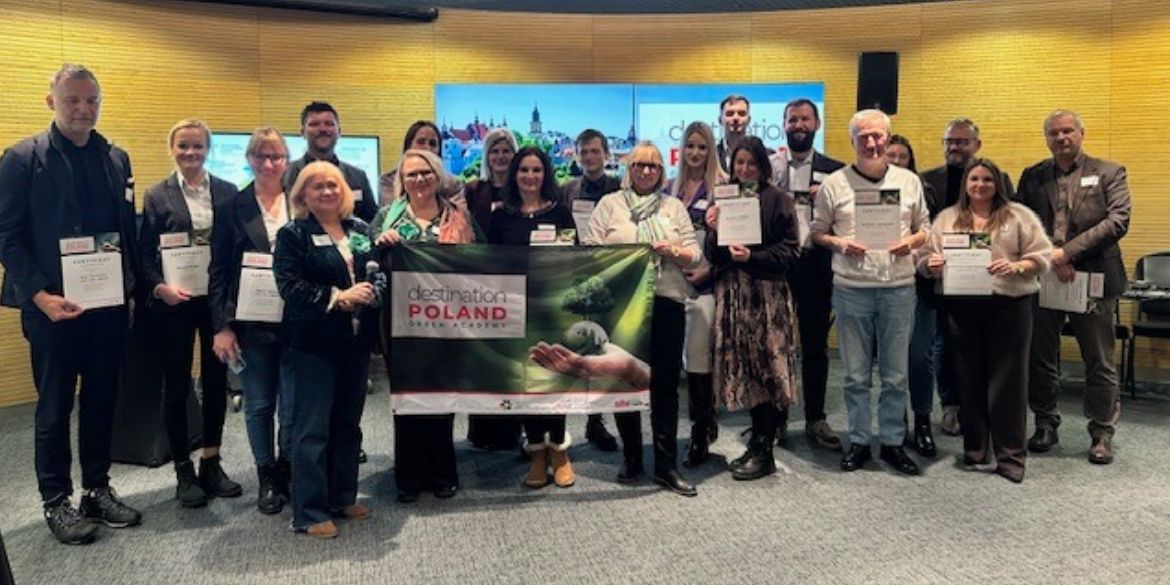
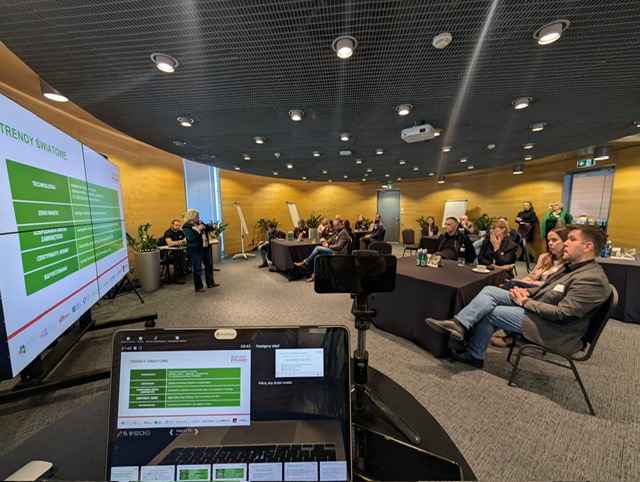
Lublin, consistently positioning itself as a forward-looking and creative meetings destination, hosted the latest workshop of the Destination Poland Green Academy. The nationwide educational programme, delivered by SITE Poland – Society for Incentive Travel Excellence in partnership with the Poland Convention Bureau of the Polish Tourism Organisation, is dedicated to strengthening sustainability competencies across Poland’s MICE industry.
The Lublin session focused on the strategic and operational dimensions of delivering sustainable business events, with particular emphasis on embedding ESG principles into event design and leveraging regional assets to enhance destination competitiveness.
Sustainable Event Design Rooted in Local Identity
Working with practical case studies, participants examined how the Lubelskie region can be positioned as a credible and distinctive host for responsible meetings, incentives, conferences and corporate events.
Discussions highlighted the role of low-emission transport solutions, including Lublin’s trolleybus network and hydrogen-powered buses, as tangible components of sustainable mobility strategies for events. Such infrastructure enables organisers to integrate measurable environmental actions into delegate journeys and programme logistics.
The workshop also explored how local supply chains and culinary heritage can strengthen both sustainability performance and delegate experience. Regional products and recognised brands such as Perła brewery, the traditional cebularz lubelski, pierogi, chocolate-covered plums and bean honey were presented as examples of how authentic, locally sourced catering can reduce environmental impact while reinforcing a strong sense of place.
Cultural heritage assets were analysed through the lens of experiential event design. Venues such as the historic organs in Kazimierz Dolny and the Lublin Village Open Air Museum provide opportunities to curate meetings and incentive programmes grounded in authentic storytelling and regional context. This approach aligns with growing demand for purpose-driven, meaningful business events that combine content with cultural immersion.
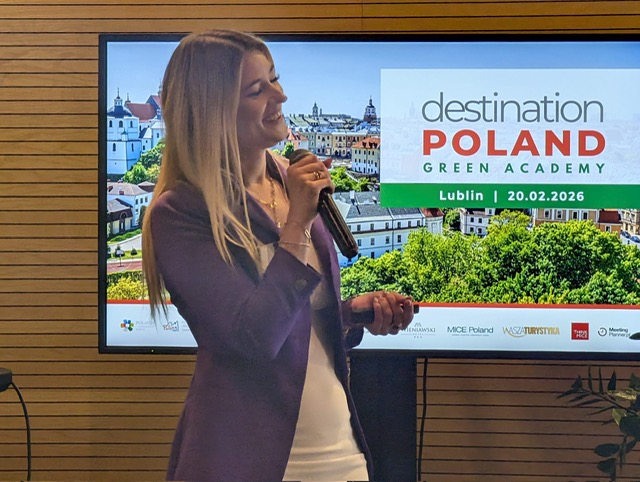
Attention was also given to the region’s expanding hotel infrastructure and the strategic role of the Lublin Conference Centre as a modern, flexible venue capable of hosting conferences and corporate gatherings of varying scale. The availability of high-quality infrastructure, aligned with sustainability standards, remains a key factor in destination selection for international event planners.
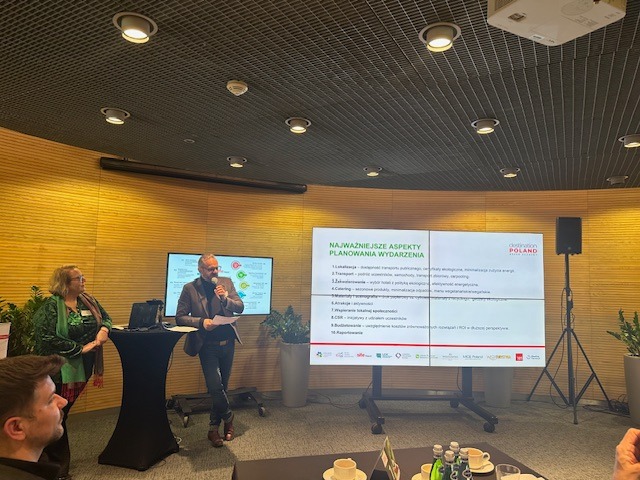
ESG Integration and Community Impact
A central theme of the workshop was stakeholder collaboration and social responsibility. Participants discussed cooperation with local foundations and community organisations as a mechanism for embedding social impact into event programmes. Integrating community engagement initiatives into business events was identified as an increasingly important element of comprehensive ESG strategies.
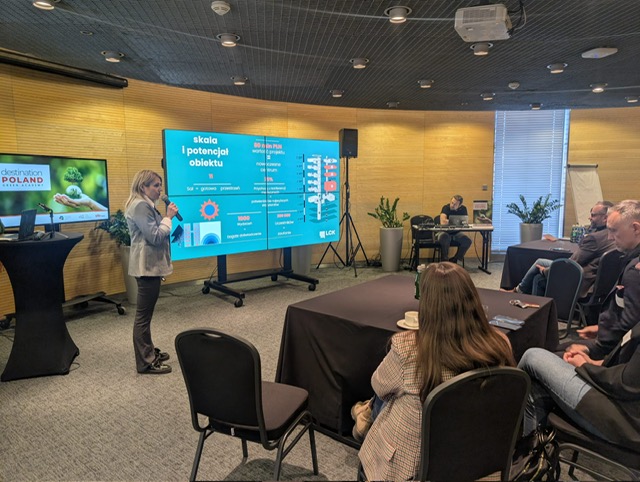
By aligning meetings and incentive travel with local development priorities, organisers can enhance long-term destination legacy while delivering measurable social value alongside environmental performance.
Local Best Practice in Sustainable Meetings
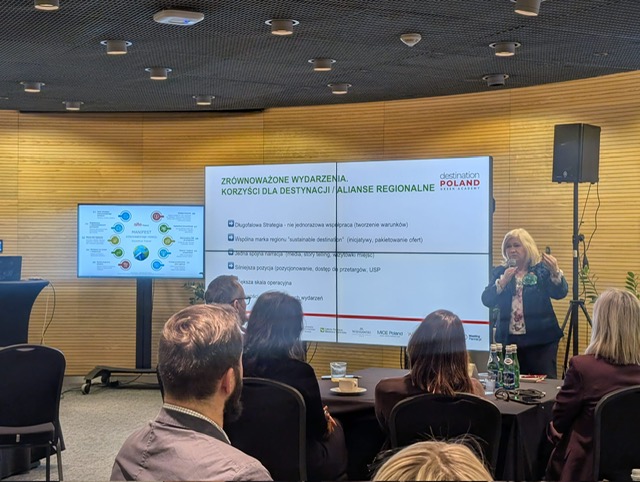
The importance of knowledge exchange and peer learning was underscored through a series of presentations showcasing best practices from the Lubelskie region. Contributions were delivered by:
- Marcin Kania
- Karolina Dziąbor (Łubinowe Wzgórze – Wioska Zdrowia)
- Katarzyna Ostrowska-Malczewska
- Olga Lenarczyk
- Paweł Świderski
- Magdalena Gałka
The case studies demonstrated how sustainable event management can be effectively implemented through cross-sector partnerships, responsible resource management and the development of authentic, experience-led programmes. They also illustrated how regional collaboration strengthens destination positioning within the competitive European meetings market.
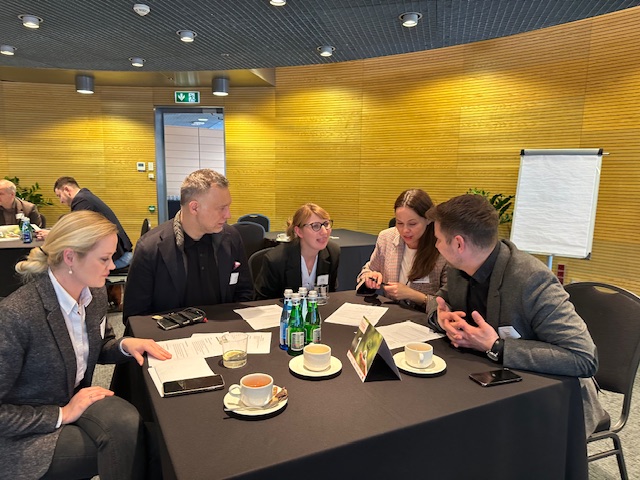
The workshop brought together representatives from
- Hotel Wieniawski
- East Travel
- The Lublin Village Open Air Museum
- Łubinowe Wzgórze – Wioska Zdrowia
- Perła Brewery
- Lublin Airport (LUZ)
- Arche Nałęczów – Sanatorium Milicyjne
- Mercure Lublin Centrum
- the Puławy Science and Technology Park,
reflecting the integrated character of the local business events ecosystem
Lubelskie: A Growing Hub for Responsible Business Events
The Lublin edition of Destination Poland Green Academy confirmed that Lubelskie offers substantial potential for the development of sustainable meetings and incentive travel. The combination of accessible infrastructure, low-emission transport solutions, authentic venues, strong local partnerships and a growing accommodation base creates a compelling proposition for planners seeking responsible, ESG-aligned event solutions in Central Europe.
Destination Poland Green Academy continues to support the professionalisation of the Polish MICE sector, equipping stakeholders with the knowledge and tools required to design future-oriented, sustainable business events that deliver environmental, social and economic value.
Destination Poland Green Academy – driving measurable impact and a more sustainable future for the meetings and events industry.
#PolandGreenAcademy #SustainableBusinessEvents #MICEPoland #ESG #SITEPoland #PolandCVB