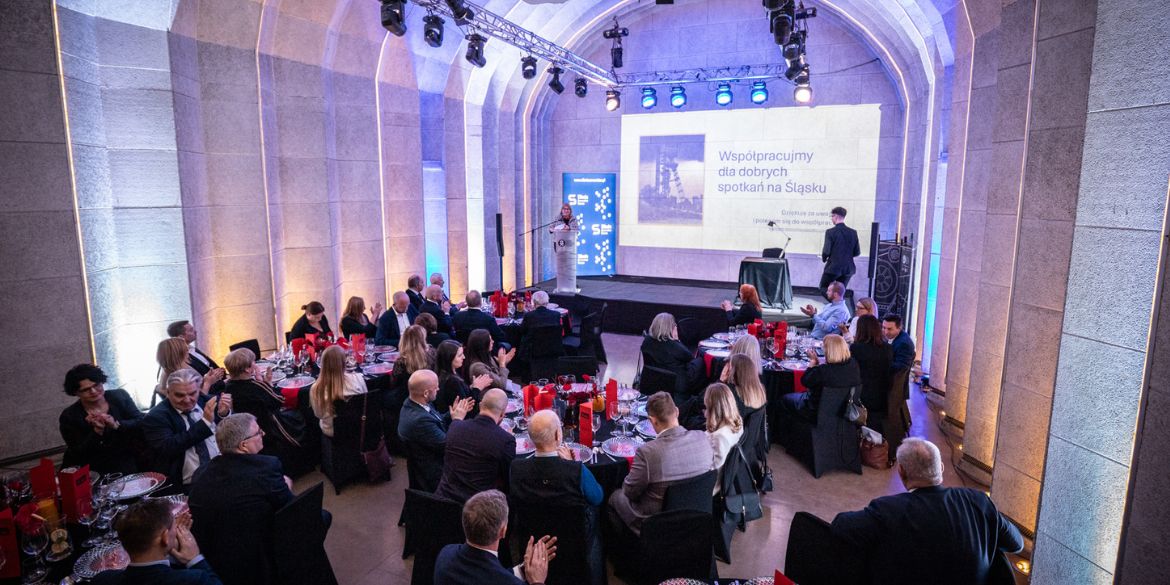
As expectations around DEI and accessibility continue to shape procurement decisions in the meetings and events market, Poland’s tourism sector is strengthening practical competencies that translate directly into safer, more inclusive participant experiences. The nationwide, free Tourism Without Barriers – 2025 (“Turystyka bez barier”) training programme, delivered by the TOO – Turystyczna Organizacja Otwarta (Tourism Organisation Open to All) on behalf of the Ministry of Sport and Tourism, concluded after four intensive sessions. The project partner was the Polish Tourism Organisation – Poland Convention Bureau, which continues to strengthen industry capability in accessibility and inclusivity across tourism services and business events. ,
Each session provided a practical response to the market’s rising expectations and to obligations under Poland’s Act on Ensuring Accessibility for Persons with Special Needs (Ustawa o zapewnianiu dostępności osobom ze szczególnymi potrzebami), applicable to both public institutions and commercial entities.
The programme took place across four cities on four consecutive dates:
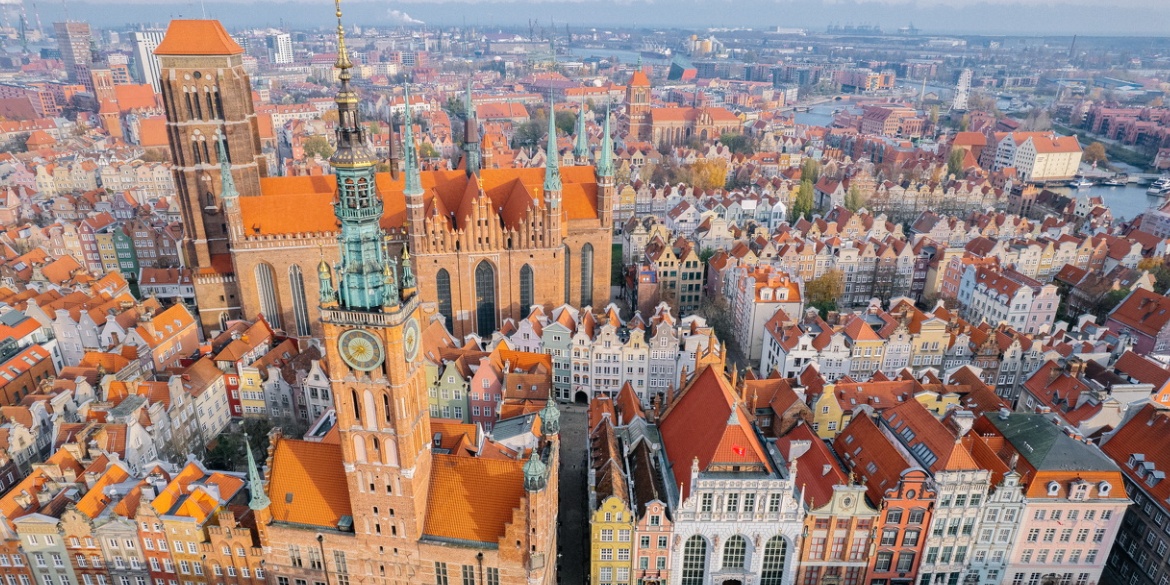
- 15 December 2025 – Gdańsk (ARCHE Dwór Uphagena)
- 16 December 2025 – Warsaw (Arche Hotel Krakowska)
- 17 December 2025 – Łódź (Łódź Tourism Organisation)
- 18 December 2025 – Kraków (HYATT Kraków)
Accessibility is a standard, not an “optional add-on”
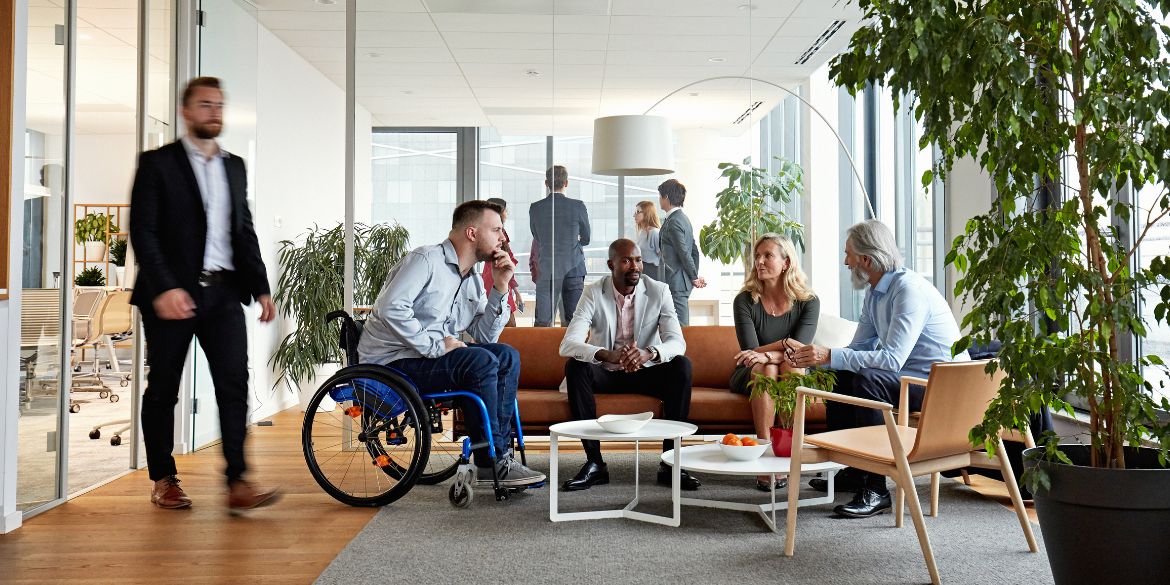
From the perspective of tourism and the meetings industry, accessibility now means far more than removing isolated barriers. It is about designing services and experiences so they are usable for people with diverse needs:
- people with disabilities
- older travellers
- families with children
- those recovering from injuries
- and neurodivergent participants
This market segment is growing steadily, and its needs are increasingly shaping the direction of tourism development and business events.
A distinctive format: knowledge, lived experience, and hands-on practice
The project stood out for a delivery model in which theory was not an end in itself, but a starting point for implementation. Participants worked with real-life scenarios and case studies, and the programme was grounded in expert practice, including trainers with disabilities.
The approach included practical exercises using assistive equipment (simulators, wheelchairs, canes, eye masks), barrier mapping, and training in professional and empathetic communication.
Key thematic areas covered in the programme
The training focused on competencies that translate directly into service quality and participant safety. Key topics included:
Disability awareness in tourism
Experts: Julita Kuczkowska, Beata Nawrat
This session structured participants’ understanding of different types of disability and the so-called “special needs” among travellers. It explored barriers, including architectural, communication, and digital obstacles, as well as those resulting from insufficient staff competence.
An important element was recognising stereotypes and bias that can limit the perception of people with disabilities as fully entitled customers of tourism services and business events.
Current directions in inclusive events within the MICE industry
Expert: Aneta Książek
The session presented practical DEI solutions that can tangibly strengthen the competitiveness of Polish cities and regions. It emphasised that business tourism is evolving clearly: the focus is shifting from purely logistical delivery to the participant’s end-to-end experience.
Personalisation, engaging participation formats, and solutions that support comfort and wellbeing are becoming increasingly important for event attendees.
A key topic was neurodiversity, estimated at around 15–20% of the population, and its practical implications for the design of conferences, trade fairs, and congresses. The training highlighted that many events still do not adequately account for sensory-sensitive participants, as evidenced by the absence of professionally designed quiet “recovery” spaces.
Excessive stimuli such as noise, intense lighting, crowd density, or constant pressure to interact can lead, for some participants, to sensory overload, reduced ability to concentrate, shortened time spent in exhibition areas, and a decline in the quality of business conversations.
The presentation focused on concrete implementation measures that translate organisers’ and destinations’ commitments to responsibility and inclusion into operational practice.
Particular attention was given to the concept of a mobile Low Sensory Show Room (LSSR) zone, designed as a tool to support participants’ nervous-system regulation and reduce sensory overload in trade fair and event environments. This solution is being developed by the Polish Tourism Organisation – Poland Convention Bureau and is intended to serve as a model of good practice for Poland’s meetings industry.
“Amor Fati”, or love of one’s fate
Experts: Łukasz Wysocki and Filip Wysocki
This session offered a perspective that stays with participants long after the training: disability as a dimension of diversity and, simultaneously, a real market opportunity. It underlined that globally this represents more than a billion potential customers, and that relatively small organisational changes can significantly improve accessibility.
The practical component presented barriers and solutions from the viewpoint of a person assisting a child with a disability while travelling.
Poland Convention Bureau’s role: DEI as a competitive advantage for Polish destinations
PolandCVB’s partnership in the programme aligns with long-term efforts to strengthen Poland’s position as a modern, responsible destination prepared to meet international client expectations.
In the MICE context, inclusivity now means not only removing barriers, but consciously designing the participant experience: diversified space (including self-regulation zones), clear communication, flexible session formats, breaks that support recovery, and well-prepared staff.
Low Sensory Show Room (LSSR): a tool to enhance the participant experience
A key element reinforcing the programme’s message was the presentation of the Low Sensory Show Room (LSSR) project: a mobile low-sensory stimulation zone developed by Poland Convention Bureau in cooperation with the Mamy Podobnie Foundation. LSSR is intended to support participant recovery in trade fair and event venues, improve concentration and the effectiveness of B2B interactions, and, as a result, build a competitive advantage for Poland’s meetings industry.
The completed “Tourism Without Barriers – 2025” programme is not just a series of meetings. It is a toolkit of competencies that the industry can implement immediately, regardless of business scale, from hotel reception and visitor attractions through to the delivery of conferences and trade fairs.
The project demonstrated that accessibility and DEI are not slogans, but practical implementations that increasingly influence destination choice and the overall quality of the participant experience.
Prepared by: based on materials from the “Tourism Without Barriers – 2025” programme and substantive contributions from the trainers (PCB POT, Aneta Książek, TOO).